FCA regulated (Appointed Representative)NACFB Member60+ lenders searchedIndicative decisions in as little as 24 hoursSpeak to an expert:07581 364281

CW Asset Finance | Vehicle & Equipment Finance Yorkshire

Real deals, real outcomes

How we’ve structured finance for businesses like yours.

Real deals — the situation, the challenge, and exactly how CW Asset Finance structured the solution.

John Deere tractor working a field
Agricultural & Seasonal Finance

Financing a replacement tractor without draining seasonal cash flow

£165,000Asset value
18 hoursTime to decision
5 yearsSeasonal HP term

Customer situation

A North Yorkshire-based arable contractor operating across 1,500 acres. Their primary tractor suffered a major transmission failure mid-season, threatening upcoming harvest commitments.

Asset required

John Deere 6R 250 (value £165,000 + VAT).

The challenge

The farm’s main income arrives in two distinct spikes — post-harvest in autumn and subsidy/yield payouts in early spring. A standard monthly repayment profile would have severely strained cash flow during the winter and early summer months when revenue is low.

Options considered

  • Outright purchase — would consume £165k of liquid working capital reserved for fertiliser and diesel.
  • High-street bank loan — fixed, rigid monthly repayments that didn’t match the farm’s cash flow cycle, and took 3+ weeks to process.
  • CW Asset Finance route — a tailored, seasonal Hire Purchase agreement.

The CW solution

Conor structured a 5-year Hire Purchase agreement with a bespoke seasonal payment profile. Monthly payments were scaled down to a nominal amount during low-revenue winter months, with larger lump-sum payments aligned precisely with harvest income spikes. VAT was deferred for 3 months to coincide with the client’s next quarterly VAT return.

Key outcome

The client secured the machine in time for harvest without taking a single pound out of their core operational reserves.

“High-street banks love flat monthly figures because they fit into an automated risk algorithm. But farming isn’t a flat monthly business. If your broker doesn’t understand seasonal cash flows, you’ll end up tying up working capital when you need it most.”

— Conor, CW Asset Finance

“CW understood our farm’s cycle instantly. Conor set up the payments to hit when our grain cheques clear, so we upgraded our main machine without sweating our day-to-day cash flow.”

— David M., Agricultural Contractor, North Yorkshire
Explore agricultural & farm equipment finance →
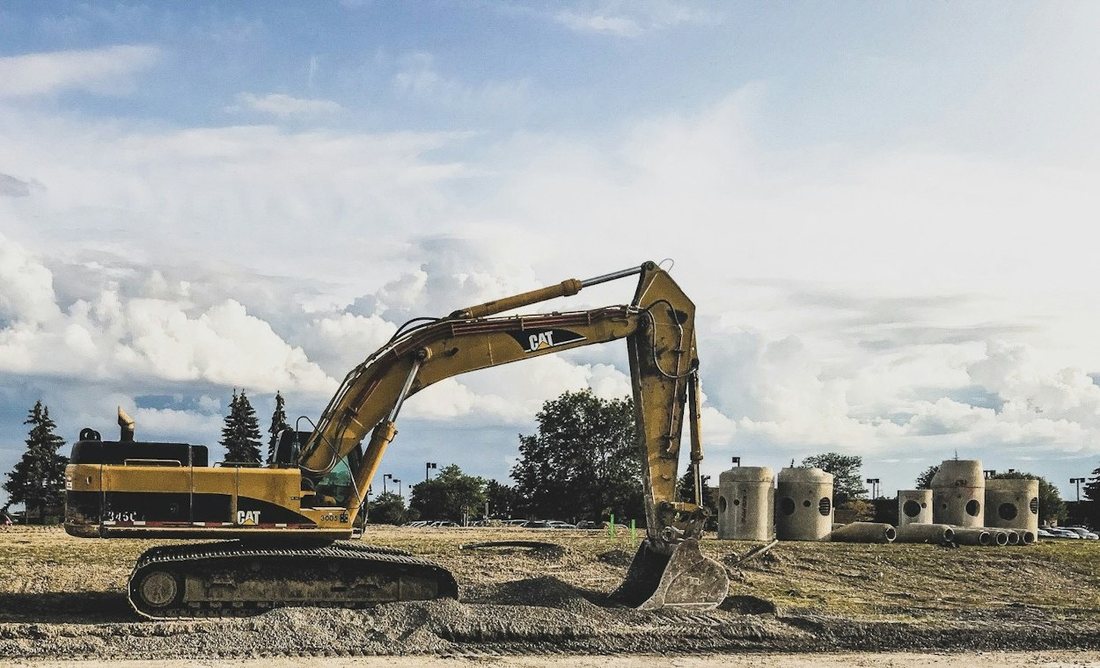
CAT excavator on a construction site
Construction & Complex Credit

Unlocking £110k from existing plant after a bank decline

£110,000Capital released
24 hoursTime to decision
36 monthsRefinance term

Customer situation

An established groundworks contractor with £1.2m annual turnover landed a major new site contract requiring £100k upfront for materials and initial payroll.

Asset required

Working capital raised against existing unencumbered machinery (CAT excavators & Volvo dumpers).

The challenge

A late-paying main contractor six months earlier had caused a temporary CCJ on their credit file. Although the dispute was settled, their automated high-street bank score triggered an immediate decline for an unsecured loan.

Options considered

  • Turning down the contract — substantial loss of future revenue and reputational damage.
  • High-cost short-term loans — exorbitant interest rates (25%+) that would eat all profit margin.
  • Refinancing existing assets via CW Asset Finance.

The CW solution

Instead of looking solely at credit scores, Conor evaluated the intrinsic value of the business’s unencumbered plant fleet. CW Asset Finance structured an Asset Refinance (sale & leaseback) agreement, releasing £110,000 of equity from their existing equipment as immediate cash over a 36-month term.

Key outcome

The business secured the contract, paid suppliers on time, and used profits from the project to clear the refinance agreement early.

“A bank computer sees a historical credit mark and hits decline. We look at hard assets, actual business momentum, and real asset value. If you own the equipment outright, your balance sheet holds the key to your growth.”

— Conor, CW Asset Finance

“When our bank turned us down over an old invoice dispute, we thought we were going to lose the new contract. Conor looked at our machinery fleet rather than just a credit score and sorted £110k in days.”

— Liam T., Managing Director
Learn how heavy machinery & plant refinance works →
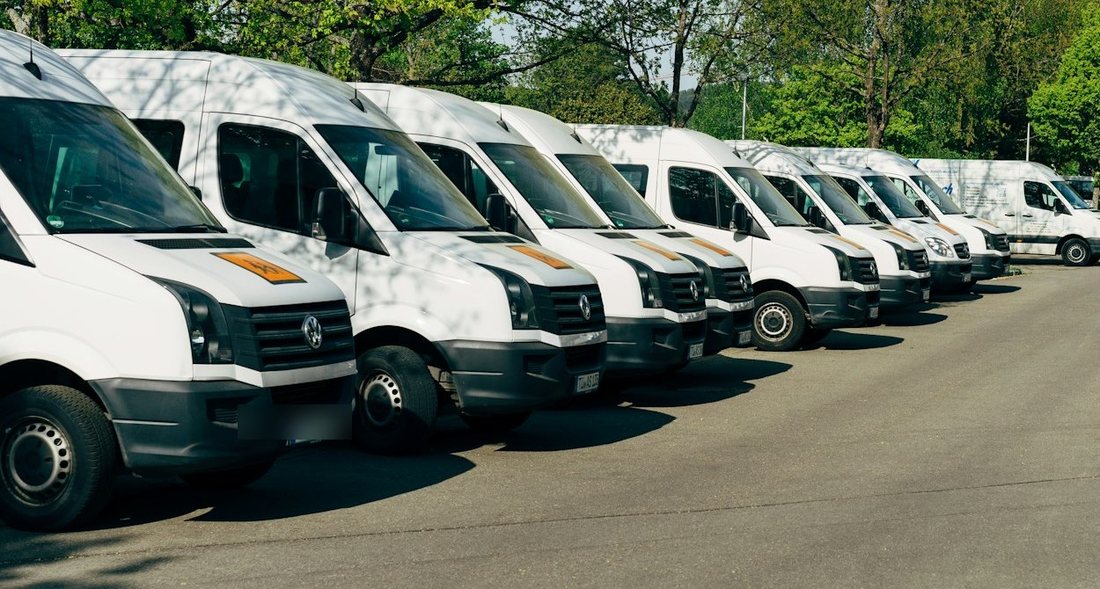
Fleet of white commercial vans
Logistics & Fleet Expansion

Adding 5 vans to a growing fleet without straining monthly overheads

£190,000Fleet value
<12 hoursTime to decision
£280/moSaved per vehicle

Customer situation

A regional logistics operator secured a sub-contract with a major online retailer, requiring five brand-new, Low-Emission Zone compliant commercial vehicles.

Asset required

5x Mercedes-Benz Sprinter 315 CDI vans (total fleet value £190,000 + VAT).

The challenge

Minimising the monthly outgoing liability on the fleet balance sheet so the business could keep operational margins high while hiring five new drivers simultaneously.

Options considered

  • Contract hire (leasing) — lower upfront cost, but no asset ownership at the end and steep penalties for mileage overruns.
  • Standard Hire Purchase — full amortisation over 4 years led to monthly payments slightly too high for comfortable cash flow.
  • Hire Purchase with a balloon payment — low monthly outlay with ownership retention.

The CW solution

Conor structured a 4-year Hire Purchase agreement with a 30% balloon payment at the end. By deferring a portion of the capital cost to the end of the agreement — backed by the strong resale value of Sprinter vans — monthly repayments were reduced by over £280 per vehicle, per month.

Key outcome

Lower monthly overheads let the client comfortably fund driver salaries, and the new fleet was on the road within 7 days.

“People often forget how much flexibility you have when structuring a deal. Adding a structured balloon payment keeps your monthly overheads low today while letting you build equity in assets you actually own.”

— Conor, CW Asset Finance

“The speed was unreal. Conor had the finance lined up before the dealership even finished preparing the vans.”

— Sarah K., Fleet Operations Manager
Explore commercial fleet & van finance →
A fleet of white commercial vans lined up
Fleet & VAT · Limited Company

£210,000 of vans on the road, without the VAT landing all at once

£210,000Seven vans funded
60 monthsHire purchase term
DeferredVAT position

Customer situation

Doors Shutters and Gates Limited, a Yorkshire installer expanding its installation teams and needing seven vans on the road at the same time.

Asset required

Seven commercial vans, approximately £210,000 in total.

The challenge

A fleet that size creates two problems, and only one of them is the finance. On £210,000 of vehicles the VAT is a substantial sum falling due long before any of the vans have earned a penny back — and the vehicles still had to be sourced before anything could be funded.

Options considered

  • Outright purchase — would have taken £210,000 of working capital out of the business in one movement.
  • Dealer finance on each van separately — seven agreements, seven end dates, and no help with the VAT timing.
  • CW Asset Finance route — source all seven vehicles and fund them as one agreement with the VAT deferred.

The CW solution

We handled both sides. We sourced the seven vans and arranged the funding as a single 60-month hire purchase agreement, structured with the VAT deferred so it was not payable up front. Spreading the cost over five years kept the monthly commitment proportionate to what the fleet earns, and deferring the VAT kept cash in the business during the weeks the vans were being put to work.

Key outcome

Seven vans working, £210,000 funded over 60 months, the VAT handled in step with the company’s own returns, and the vehicles owned outright at the end of the term. The client has told us they will be back for the next round.

“Sourcing and funding through one point of contact means one conversation, not a dealer negotiation running in parallel with a finance application, each waiting on the other. On a seven-van order that is the difference between weeks and months.”

— Conor, CW Asset Finance
Explore business van finance →
A white panel van used by a trade business
New Start · Sole Trader

A sole trader with no trading history, funded and paid out inside 24 hours

24 hoursEnquiry to payout
New startTrading history
Sole traderBusiness type

Customer situation

A newly self-employed bathroom fitter who needed a van before he could start taking work. No filed accounts, no trading history, and no limited company behind the application to assess instead.

Asset required

A work van for a bathroom installation business.

The challenge

It is the hardest profile in the market to place. A lender running a single credit policy finds nothing to score and stops there — which tells the applicant nothing about whether the van was ever fundable. Applying to several lenders in turn would have left a credit footprint each time and made the next decline more likely.

Options considered

  • Wait until accounts existed — would have meant months without a van, and therefore without income.
  • Apply to high-street lenders in turn — each application marking the credit file on the way to a likely decline.
  • CW Asset Finance route — go straight to the lenders who assess sole traders and new starts properly.

The CW solution

Rather than putting the application through lenders whose policy was never going to fit it, we approached the lenders on our panel who assess sole traders and new starts on bank statements and work pipeline rather than filed accounts, and secured the best rate available for the profile.

Key outcome

From first conversation to payout took 24 hours. For someone who had not started trading yet, being able to begin work the next day rather than the next month was the entire point.

“A new business getting declined tells you almost nothing. It usually means that lender does not write new starts, not that the deal was unfundable. Knowing which lenders do is most of the job.”

— Conor, CW Asset Finance
Explore self-employed van finance →
A tipper truck on a construction site
Construction · Vehicle Sourcing & Disposal

£500 more for the old van than the part-exchange offer

£500Above part-exchange
TipperAsset funded
Both endsSale and finance

Customer situation

A warehouse concrete flooring business replacing its existing van with a tipper better suited to the work it was winning.

Asset required

A tipper, with the outgoing van to be disposed of.

The challenge

Like most van replacements, the conversation started with a part-exchange figure — and part-exchange figures are almost always the lowest number in the transaction. The dealer is buying a vehicle they intend to sell on, so the offer reflects their margin rather than what the van is worth.

Options considered

  • Accept the part-exchange — simplest, but the lowest return on the outgoing vehicle.
  • Sell privately — more money in theory, but adverts, time-wasters and payment risk.
  • CW Asset Finance route — we sell the outgoing van on the client’s behalf and fund the replacement.

The CW solution

Instead of rolling the outgoing van into the deal at trade price, we sold it separately on the client’s behalf and got £500 more for it than the part-exchange offer. We then arranged the finance on the new tipper, with that £500 going straight into reducing the amount that needed funding.

Key outcome

£500 the client would not otherwise have seen, a slightly smaller balance to finance on the tipper, and one person handling both ends of the changeover. It is not a fortune — but it is £500 that would have quietly stayed with the dealer, and it took one phone call to find out.

“Arranging finance is one job. Making sure the vehicle you are replacing does not get undersold is a different one, and most brokers do not do it. It is usually worth real money.”

— Conor, CW Asset Finance
Explore plant and construction finance →
Fencing contractor van in North Yorkshire
Three Years of Growth · Ripon, North Yorkshire

From a first van to a saw mill in three years

£70,000Wood-Mizer saw mill
3 yearsFirst van to saw mill
4 assetsFunded in sequence

Customer situation

Paul Fridd Fencing, starting out in Ripon and needing a first vehicle with no trading history behind the business.

Asset required

A van, then two post knockers, then a £70,000 Wood-Mizer saw mill — funded one at a time over three years as the business grew.

The challenge

The hardest asset to fund is the first, because a new business has nothing on file for a lender to assess. What comes after is a different problem: each asset is a bigger commitment than the last, and each sits in a different category. A van is a vehicle, a post knocker is fencing machinery, a saw mill is timber processing plant — and not every lender that will fund one will look at the others. The saw mill was the biggest step of all, because it was not more of the same work: it moved a fencing contractor into milling its own timber.

Options considered

  • Personal finance for the first van — would have put the vehicle in the wrong name and limited what came next.
  • A new lender for each asset — re-explaining the business from scratch every time, and starting cold on machinery it had never borrowed against.
  • CW Asset Finance route — one broker who knows the business and matches each asset to a lender with appetite for that category.

The CW solution

We funded that first van. As the work came in we funded two post knockers, and then the £70,000 Wood-Mizer — each one arranged against where the company actually stood at the time, and placed with a lender that understood the asset. Because the earlier agreements were on file and performing, each application was stronger than the one before rather than another cold start. That track record is what made a diversification purchase fundable, rather than a step too far.

Key outcome

Inside three years the business went from one van to running its own fencing machinery and milling its own timber. Paul Fridd Fencing is now diversifying beyond contract fencing on the back of that saw mill, and has used CW Asset Finance since the start without once having to re-explain the business to a new lender.

“The first one is the hard one. After that what matters is that somebody remembers the business, and knows which lender will look at a post knocker or a Wood-Mizer rather than only the vans. Diversifying is where most contractors get told no — usually because the lender is being asked to back a business it has never seen before.”

— Conor, CW Asset Finance
Explore arb, forestry and sawmill finance →

Have a similar situation?

Every deal is structured around your business, not a template. Tell us what you need to fund.

Check my finance options →

Get your quote

Tell us what you’re looking to fund and Conor will come back to you personally — usually the same day. No credit check to enquire.