Customer situation
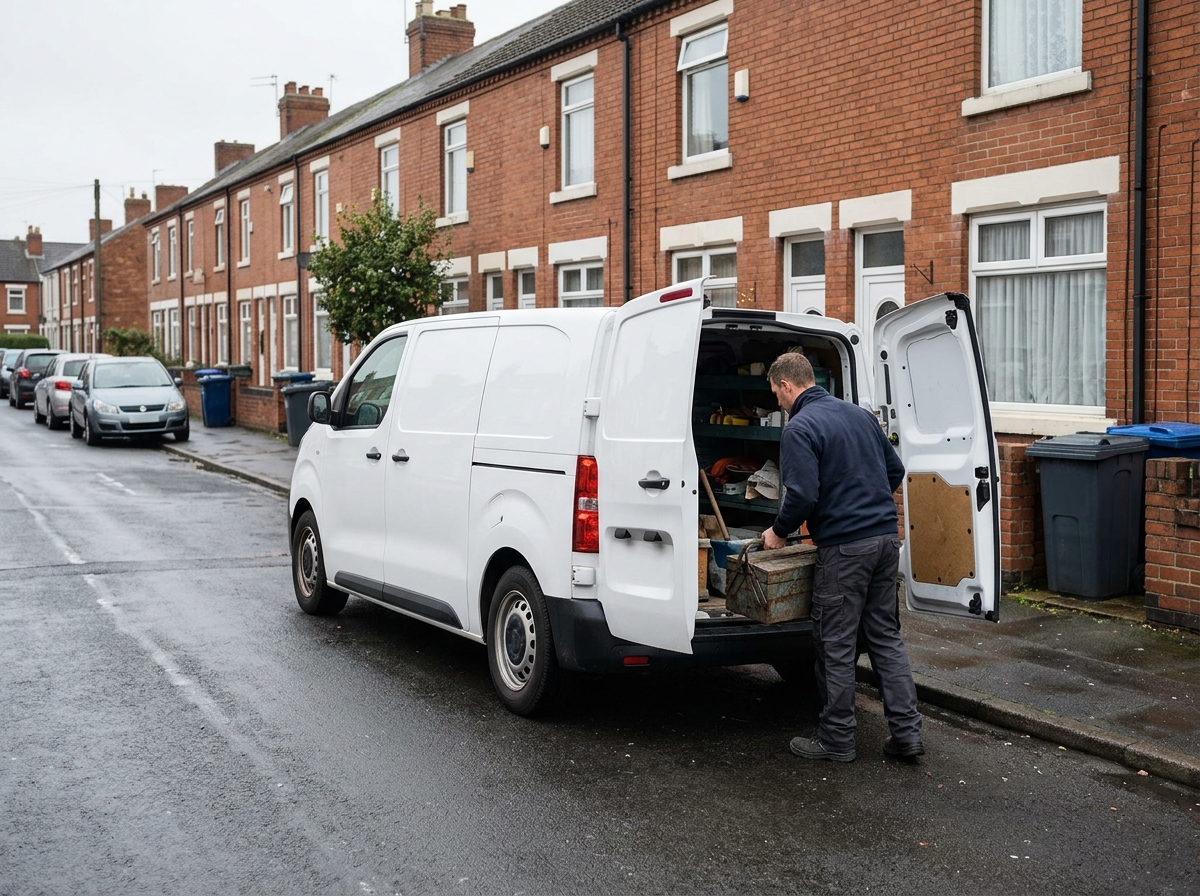
A limited company in West Yorkshire buying a brand new panel van — a 2026 Nissan Townstar Accenta, petrol, manual, with ten miles on the clock when it was supplied. £17,699 before VAT, with £415 of non-VATable costs alongside it, bringing the total including VAT to £21,653.80.
The challenge
Nothing about the van was difficult to fund. The two questions worth getting right were the term and the payment profile, and they are the two things most quotes gloss over.
A five-year term on a vehicle is sometimes the lazy answer — it produces the smallest monthly figure, which is what quotes compete on. Here it was the right answer for a specific reason, and the reason was the asset rather than the payment.
What we did
Fixed-rate hire purchase over 60 months, written as an unregulated business agreement because the customer is a limited company, so it sits outside the Consumer Credit Act.
Five years on a new van, and why the term followed the asset. A new vehicle with a full manufacturer warranty and no maintenance history to worry about will comfortably carry a five-year agreement — the van is very unlikely to stop earning before the finance ends. The same term on a high-mileage used vehicle is a different proposition and would usually be priced as one. Matching the length of the agreement to how long the asset will realistically keep working is most of what good structuring is.
“One plus fifty-nine” is worth understanding before you sign anything. This agreement runs 1 + 59: one payment due with the agreement, then fifty-nine monthly payments after it. Sixty payments in total, the same as a 0 + 60 — but the first one lands immediately rather than a month later. It is a small difference in cash terms and a meaningful one if the van has not started earning yet. Agreements across this set run 0 + 24, 0 + 36, 0 + 48, 0 + 60 and 1 + 59. None of those is the standard and none is better than the others in the abstract. They are different answers to when a business can afford to start paying.
The VAT was paid upfront, so £3,539.80 went out at the start and the capital cost was financed in full. That is the most common structure across these agreements, though not the only one — the seven-van fleet deal deferred it instead, for reasons specific to that business.
Key outcome
A brand new van delivered on 8 October 2026 and funded over five years on a profile the business chose deliberately, with the VAT settled at the outset rather than financed.
“Everybody compares the monthly figure and almost nobody asks about the profile. One plus fifty-nine and nought plus sixty are the same number of payments, but one of them wants money the day you sign. If the van has not turned a wheel yet, that is worth knowing before you pick the cheapest-looking quote.”
— Conor, CW Asset Finance
Every application is assessed on its own merits and all finance is subject to status and lender approval. This is one client’s outcome and is not a guide to what any other business will be offered.
Explore van and fleet finance →