Customer situation
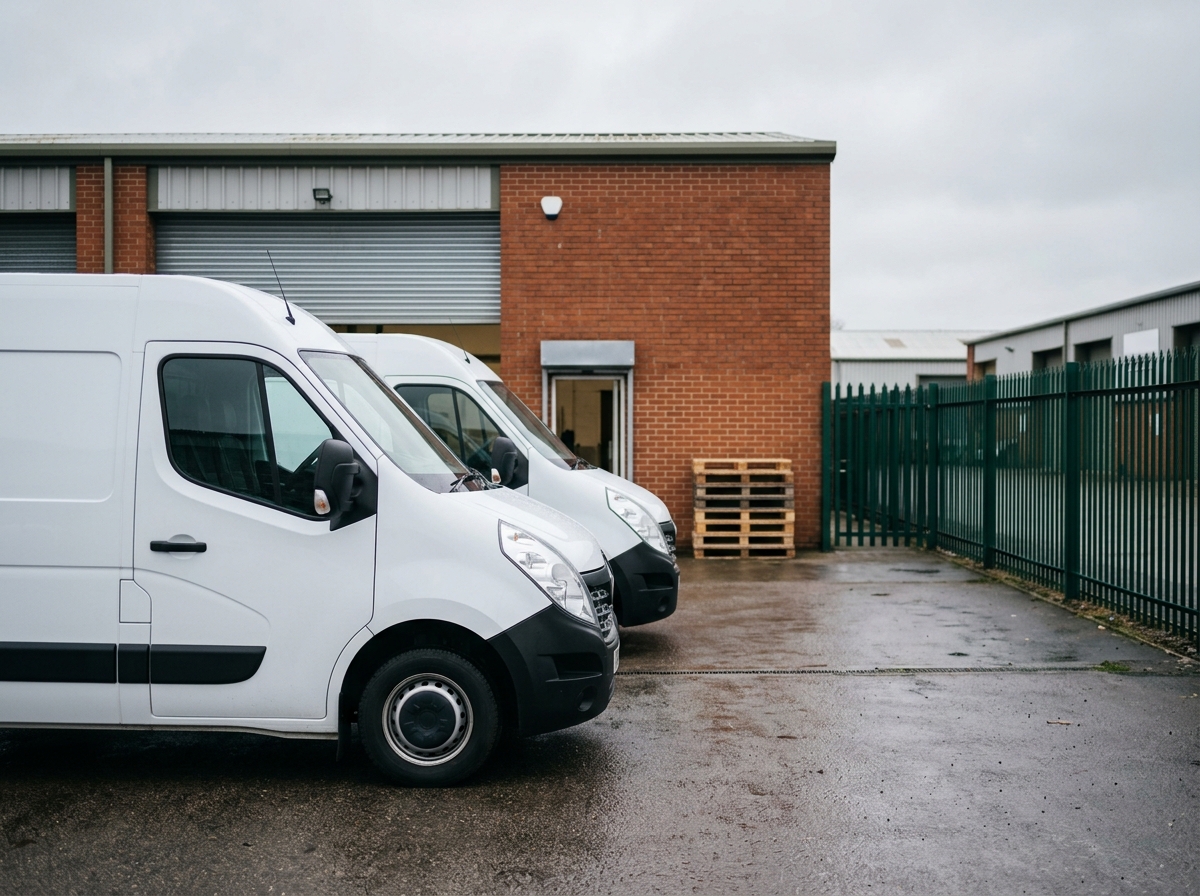
An energy services contractor replacing two vans with plug-in hybrid Ford Transits. The pair came to £115,323 before VAT.
The challenge
Plug-in hybrid vans do not carry the residual history diesel vans do. Two decades of auction data sit behind a diesel Transit; the hybrid equivalent has a young market, an unproven buyer pool at four years old, and battery condition as a variable nobody has a long record of pricing. A funder asked to defer a large final payment on one is making a judgement rather than applying a table.
What we did
Both vans went on a single agreement. £30,000 was paid at the start, £109,218 was financed over 48 months, and a £45,000 final payment was agreed for August 2030 — close to two fifths of what the vans cost, across the pair.
Unlike most of the agreements on this page, the VAT here was financed rather than paid upfront, so the whole £30,000 went in as deposit rather than being mostly VAT. That is a deliberate choice about how much cash leaves the business on day one, not a default.
And it is worth saying plainly what a final payment is. At the end of the term it has to be settled, refinanced, or the vans handed back. One of those three happens; there is no fourth option where it quietly goes away. Anyone comparing this against a straight hire purchase on the monthly figure alone is comparing two different things.
Key outcome
Two vans funded on one agreement with one set of documents and one end date, and a structure the business chose with the final payment understood at the outset rather than discovered in year four.
“A balloon is not a discount. It is a way of matching what you pay to what the asset is worth over the time you hold it — which only works if you already know how you intend to settle it.”
— Conor, CW Asset Finance
Every application is assessed on its own merits and all finance is subject to status and lender approval. This is one client’s outcome and is not a guide to what any other business will be offered.
Explore van and fleet finance →